A History of the Daily Office
Two thousand years of praying at set hours — from the apostles to your pocket.
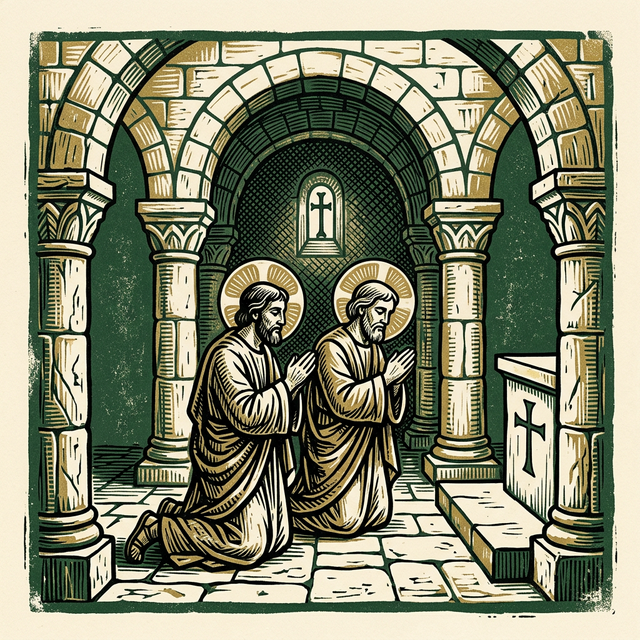
Early Church Roots
c. 30–400 AD
The practice of praying at fixed hours stretches back to the apostles themselves. Acts 3:1 records Peter and John going to the temple "at the hour of prayer," while the Didache (c. 100 AD) instructed Christians to pray the Lord's Prayer three times daily. By the 4th century, the Desert Fathers and Mothers in Egypt had woven a continuous cycle of psalms, scripture, and silence into the rhythms of communal life — laying the spiritual foundation for all liturgical prayer that followed.
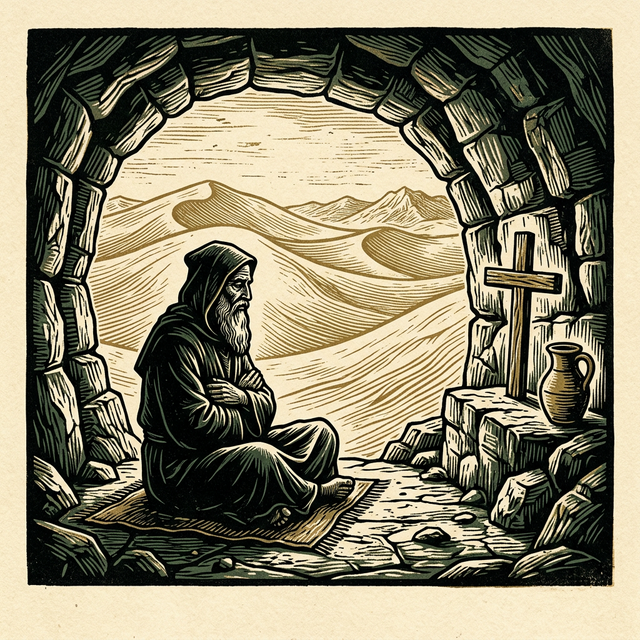
The Desert Monastics
c. 300–500 AD
In the scorching stillness of the Egyptian and Syrian deserts, men and women fled the distractions of Roman civilization to pursue God with undivided hearts. Figures like Anthony the Great, Pachomius, and the Ammas Sarah and Syncletica developed rhythms of continuous prayer — praying the entire Psalter each week, keeping vigils through the night, and practicing the "prayer of the heart" that would later shape all Christian contemplative traditions. Their sayings and practices, collected in the Apophthegmata Patrum, remain a living well of wisdom.
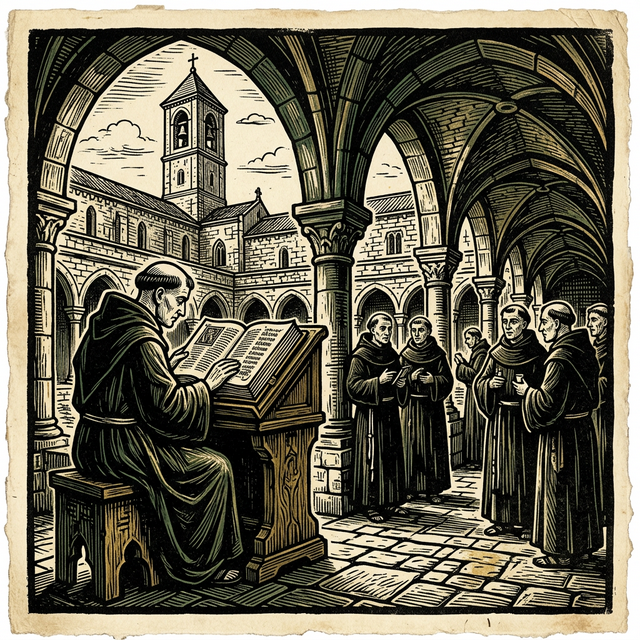
The Rule of St. Benedict
c. 530 AD
When Benedict of Nursia wrote his Rule for monastic life around 530 AD, he organized the day around eight "hours" of prayer — from Matins in the deep of night to Compline before sleep. "Let nothing be preferred to the Work of God," he wrote, placing communal prayer at the very center of human purpose. His Rule became the template for Western monasticism and the heartbeat of European civilization for over a thousand years.
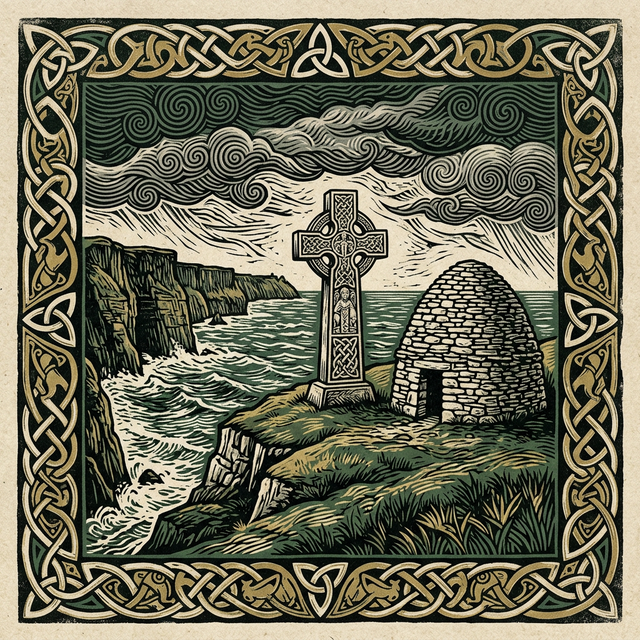
Celtic Daily Prayer
c. 500–900 AD
On the wind-scoured edges of Britain and Ireland, Celtic monks developed a distinctive tradition of prayer marked by a deep love of creation, poetic intensity, and missionary zeal. From the beehive huts of Skellig Michael to the scriptorium of Iona, monks like Columba, Brigid, and Aidan wove blessing prayers into every daily act — rising, kindling fire, milking, traveling, and sleeping. Their prayers acknowledged God in the ordinary rhythms of life, creating a spirituality that was both wild and intimate. The Carmina Gadelica preserves hundreds of these prayers, many still prayed today.
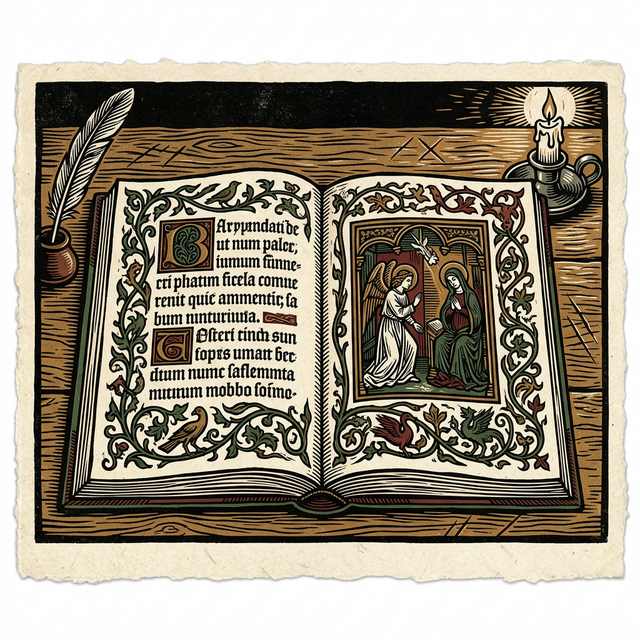
The Medieval Book of Hours
c. 1250–1500
The Book of Hours became the bestselling book of the Middle Ages — more widely owned than the Bible itself. These lavishly illuminated manuscripts adapted the monastic Office for everyday Christians: merchants, mothers, and nobles. With calendars of saints' days, Psalms, and prayers tied to the eight canonical hours, they brought the rhythm of sacred time into parlors and bedchambers. Today, masterpieces like the Très Riches Heures du Duc de Berry are among the most treasured artworks in history.
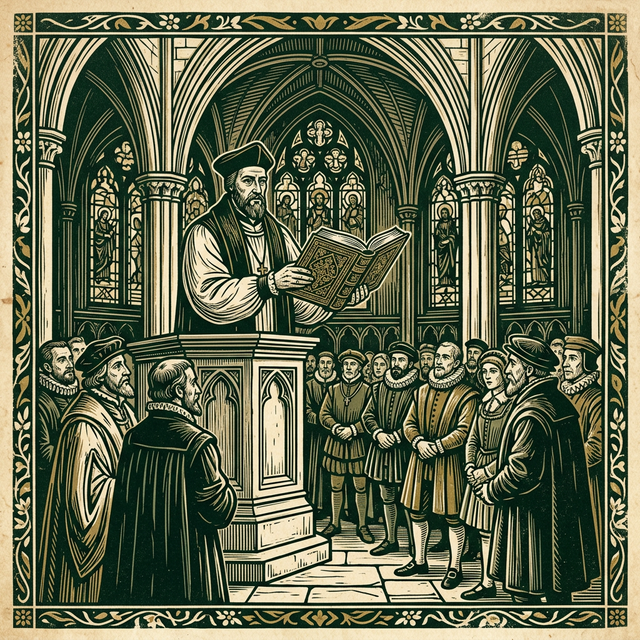
The Book of Common Prayer
c. 1549–1662
Archbishop Thomas Cranmer distilled the eight monastic hours into two magnificent services — Morning Prayer and Evening Prayer — and gave them to the English-speaking world in their own language. The Book of Common Prayer (1549) was a revolutionary act: it put the rhythm of daily prayer into the hands of craftsmen, farmers, and families. The 1662 revision remains in continuous use today, its cadences shaping not only Anglican worship but the very rhythms of the English language itself.
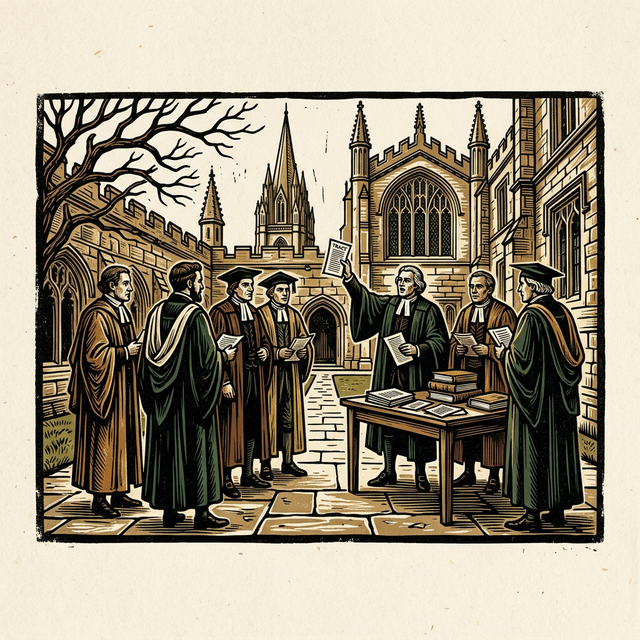
The Oxford Movement
c. 1833–1860
In the 1830s, a group of Oxford scholars — John Henry Newman, John Keble, and Edward Pusey — challenged the growing rationalism of their age with a startling claim: the ancient Church was still alive, and its liturgical treasures were not relics but living wells. Their "Tracts for the Times" ignited a revival of daily prayer, liturgical beauty, and sacramental worship across the Anglican world. The movement sparked religious communities, restored the Daily Office to parish life, and profoundly influenced worship in traditions far beyond Anglicanism.
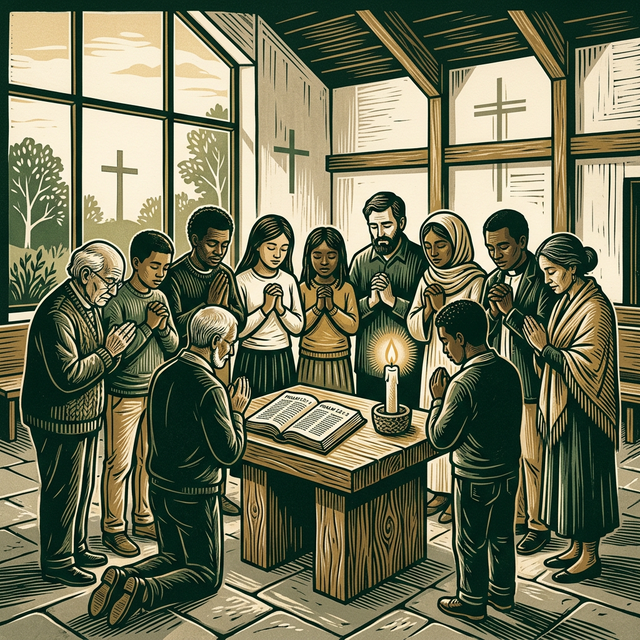
The Liturgical Renewal
c. 1950–2000
The twentieth century witnessed an extraordinary ecumenical convergence around the Daily Office. The Second Vatican Council (1962-65) reformed the Roman Breviary, making it more accessible to laypeople. Taizé Community in France created luminous chanted prayer that crossed all denominational boundaries. The 1979 Book of Common Prayer and the Liturgy of the Hours brought fresh translations and inclusive language. Communities like Northumbria and New Monastic movements proved that the ancient rhythm of daily prayer could sustain ordinary people — nurses, teachers, parents — living outside monastery walls.
The Digital Age & CommonHours
2020s
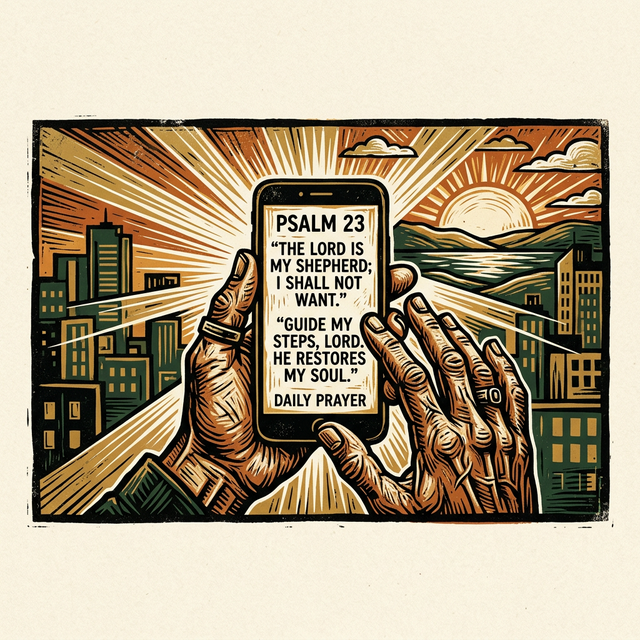
For the first time in two millennia, the ancient rhythm of fixed-hour prayer is available in the palm of your hand. Apps like CommonHours carry the work of Benedict, Cranmer, and countless faithful souls into the subway commute, the lunch break, and the late-night feeding. We don't replace the tradition — we make it accessible. The same Psalms, the same Scripture, the same prayers that sustained the saints now meet you exactly where you are, at any hour, in any place.
Join the Tradition
For two thousand years, the faithful have prayed at set hours. Now it's your turn.
Start Praying Now